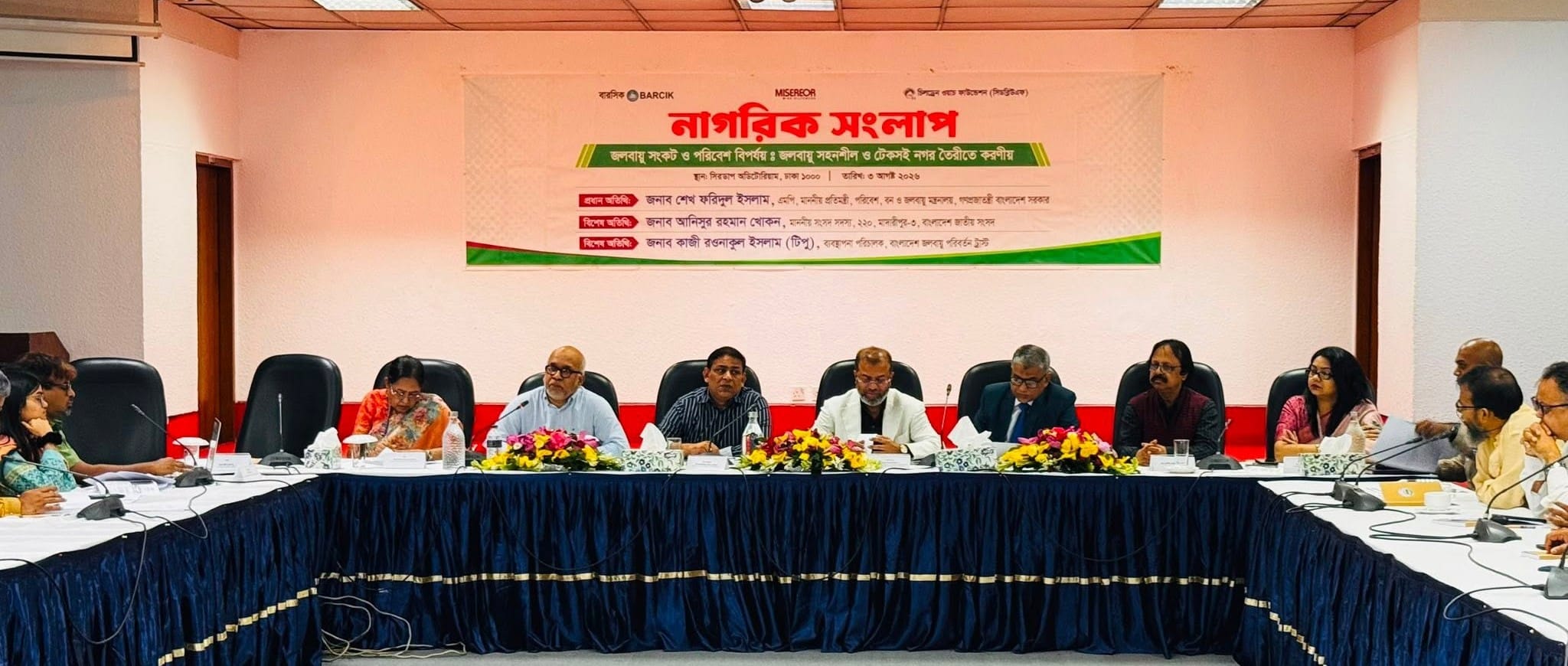
As climate change increasingly affects urban communities, building climate-resilient and sustainable cities requires greater attention to the needs, experiences, and priorities of underserved urban communities. Against this backdrop, Children Watch Foundation (CWF)
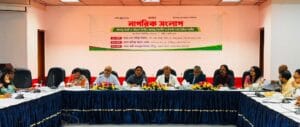
and BARCIK jointly organized a Citizen Dialogue titled “Building Climate-Resilient and Sustainable Cities in the Face of Climate Change and Environmental Challenges” at the CIRDAP Auditorium in Dhaka on 3 August 2026.
The dialogue brought together policymakers, climate and urban experts, academics, development practitioners, civil society representatives, community leaders, media professionals, and representatives of underserved urban communities to discuss the growing
impacts of climate change and environmental challenges on cities and explore pathways towards more inclusive and climate-resilient urban development.

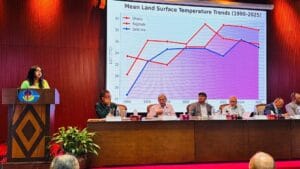
Hon’ble Sheikh Faridul Islam, MP, State Minister, Ministry of Environment, Forest and Climate Change, attended the programme as the Chief Guest. The distinguished speakers included Hon’ble Anisur Rahman Khokon, MP; Mr. Kazi Rawnakul Islam (Tipu), Managing Director, Bangladesh Climate Change Trust; Professor Dr. Shayer Gafur, Dean, Faculty of Architecture and Planning, BUET; Khandaker Rebecca San-Iyat, Executive Director, Coalition for the Urban Poor (CUP); Dr. Adil Muhammad Khan, Professor, Jahangirnagar University;
Dr. Lalin Chowdhury, Public Health Expert; and Jahangir Alam, Urban Researcher and Coordinator, BARCIK.
The dialogue highlighted that climate change does not affect all urban residents equally. People living in underserved and densely populated urban communities often face greater exposure to extreme heat, waterlogging, inadequate drainage, poor housing conditions, environmental
pollution, limited access to basic services, and other climate-related risks. Participants therefore stressed the importance of ensuring that the voices and lived experiences of these communities are reflected in urban climate policies, planning, and development initiatives.
Speakers also emphasized the need for stronger coordination among government institutions, local authorities, civil society organizations, researchers, development partners, and communities to address emerging urban climate challenges. Particular attention was given to
inclusive urban planning, improved environmental management, climate-responsive infrastructure, public health, and community participation.
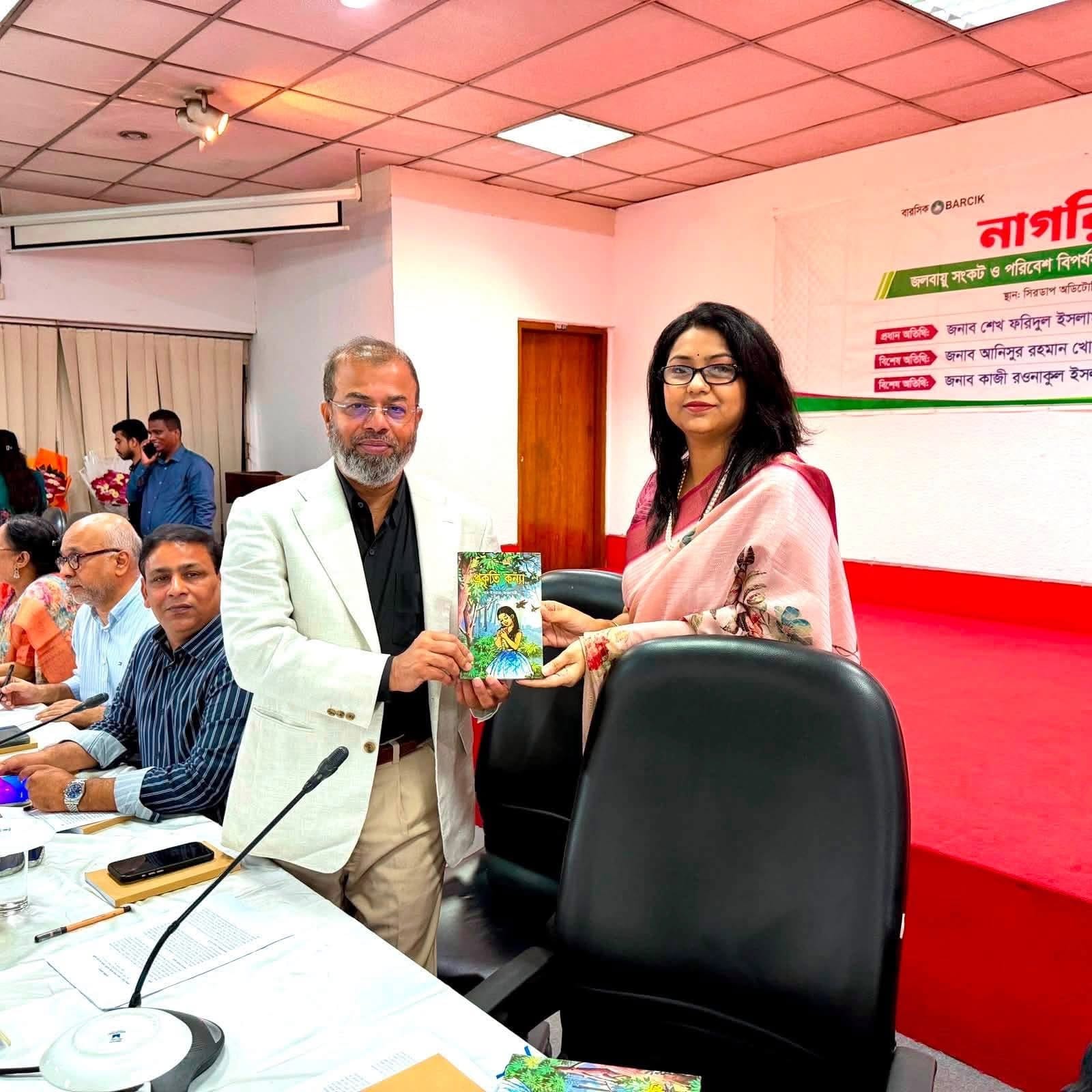
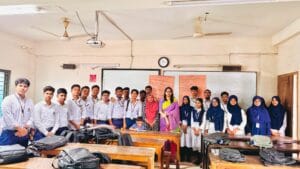
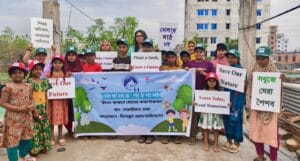
The dialogue provided a platform for representatives of underserved urban communities to share their experiences and concerns directly with policymakers, experts, and development practitioners. Participants exchanged knowledge, discussed practical challenges, and explored
collaborative approaches for strengthening the resilience of communities most vulnerable to climate and environmental risks.
The event concluded with a call for people-centred and inclusive climate action, emphasizing that sustainable and climate-resilient cities can only be achieved when the needs and priorities of vulnerable and underserved communities are meaningfully incorporated into decisionmaking and urban development processes.
Through the Citizen Dialogue, Children Watch Foundation (CWF) and BARCIK reaffirmed the importance of bringing communities, policymakers, experts, and civil society together to advance a more inclusive, sustainable, and climate-resilient urban future.